Rotini is known for its corkscrew shape, which gives it a different character from straight pasta such as spaghetti or linguine. The name comes from the Italian word rotini, meaning little wheels, and the shape has become a familiar choice in pasta salads, baked dishes, and everyday meals because of its compact, twisted form.
The trouble starts when the sauce looks right in the pan but leaves the pasta dry, heavy, or unevenly coated on the plate. The secret to a better rotini dish lies in choosing a sauce that complements its shape, texture, and flavor without overwhelming every bite.
1. Marinara Brings Out the Best in Everyday Rotini
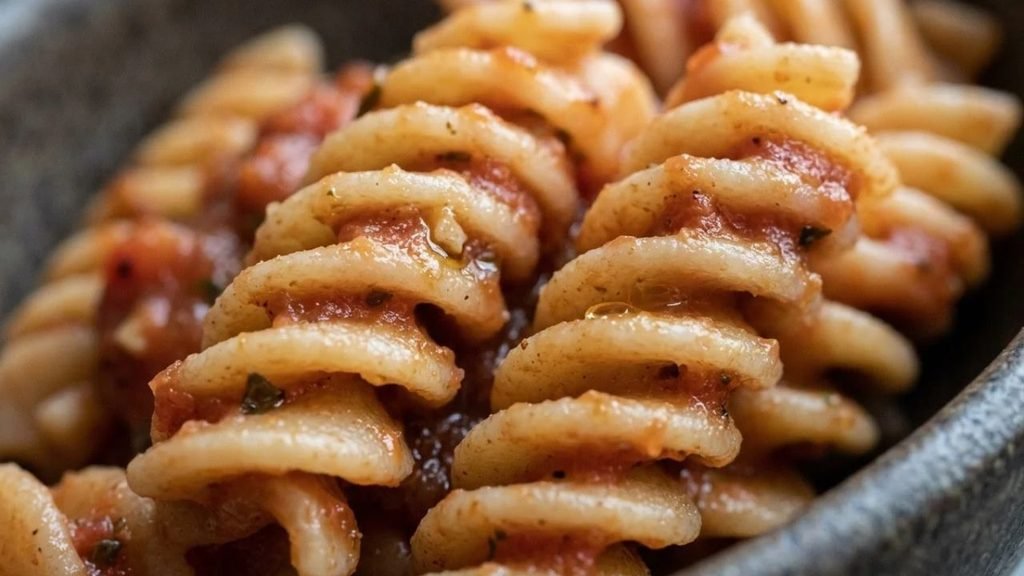
Marinara is a reliable choice for rotini, with tomatoes bringing a balance of sweetness and acidity. It works well for family dinners and meatless meals without overpowering the pasta’s texture.
A good marinara should coat the spirals evenly rather than leave watery pools at the bottom of the bowl. Garlic and herbs add flavor while letting the tomatoes remain the star.
Best pairing: Fresh basil, grated Parmesan, roasted vegetables, or ground beef.
Useful tip: Simmer a thin sauce until it thickens slightly. If it becomes too thick, add a splash of reserved pasta water to loosen it.
2. Basil Pesto Adds Freshness Without a Heavy Coating
Basil pesto brings a fresh, herbal flavor to rotini. Made with basil, olive oil, garlic, nuts, and hard cheese, it gives the pasta a vibrant green color and a rich, savory taste.
The small pieces of herbs, nuts, and cheese cling to rotini’s ridges, adding texture to every bite. Too much heat, however, can dull the basil’s freshness and affect its color.
Best pairing: Cherry tomatoes, grilled chicken, peas, or roasted peppers.
Useful tip: Toss pesto with the cooked pasta off the heat. Add a splash of pasta water if needed to help the sauce coat the spirals evenly.
3. Alfredo Makes Rotini Rich and Comforting
Alfredo is a good choice when you want creamy, comforting pasta. The American-style version combines cream, butter, and Parmesan to create a smooth sauce that coats rotini’s twists.
Traditional Roman-style Alfredo takes a simpler approach, using butter, finely grated cheese, and starchy pasta water instead of cream. Both versions rely on the right consistency to bring the ingredients together.
Best pairing: Broccoli, mushrooms, grilled chicken, or spinach.
Useful tip: Add Parmesan gradually over low heat. If the sauce gets too thick, loosen it with pasta water. A little black pepper or lemon can balance the richness.
4. Vodka Sauce Balances Tomato Brightness With Creaminess
Vodka sauce combines the tang of tomatoes with the smoothness of cream. Its pink-orange color reflects this balance, making it a good choice when marinara feels too light but Alfredo seems too rich.
Its exact origins remain disputed, with both Italian and Italian-American connections often discussed. Today, it is a popular option for anyone who wants a creamy tomato sauce with plenty of flavor.
Rotini holds the sauce between its twists, while Parmesan and black pepper add extra depth.
Best pairing: Italian sausage, grilled chicken, red pepper flakes, or fresh basil.
Useful tip: Add cream gradually to keep the tomato flavor noticeable. Too much can make the sauce taste flat, while excessive acidity can overpower its richness.
5. Arrabbiata Gives Rotini a Sharper, Spicier Character
Arrabbiata gives tomato sauce a fiery kick with garlic and chili. Its name comes from the Italian word for angry, reflecting the heat that makes this sauce stand out.
A good arrabbiata still lets the tomato flavor shine instead of letting the chili overpower everything. Rotini’s ridges help catch the sauce, spreading its spicy flavor through every bite.
Best pairing: Parsley, olives, capers, roasted vegetables, or Parmesan.
Useful tip: Add chili gradually to keep the heat balanced. Finish with fresh parsley or a drizzle of olive oil for a smoother flavor.
6. Creamy Mushroom Sauce Brings Deep, Savory Flavor
Mushroom sauce brings an earthy flavor to rotini. Browning the mushrooms deepens their taste, while cream, garlic, thyme, and Parmesan add richness without overpowering the dish.
Give the mushrooms enough space in the pan to develop golden edges instead of turning soft and watery. Rotini catches the creamy sauce between its spirals, while the mushrooms add a satisfying bite.
Best pairing: Spinach, grilled chicken, peas, or toasted walnuts.
Useful tip: Brown the mushrooms before adding cream. Cremini mushrooms work well, while a few shiitake mushrooms bring extra depth.
7. Lemon Garlic Parmesan Keeps the Finish Light
A lemon garlic Parmesan sauce is ideal when a creamy dish feels too heavy but plain pasta needs a little more flavor. Olive oil or butter adds richness, garlic brings a savory note, lemon keeps the sauce fresh, and Parmesan gives it a salty finish.
Unlike Alfredo, this sauce feels lighter and pairs well with vegetables or seafood. Rotini’s twisted shape helps the sauce cling to each piece, creating a balanced bite without an overly rich coating.
Best pairing: Asparagus, peas, spinach, grilled shrimp, or roasted cherry tomatoes.
Useful tip: Add lemon zest for extra fragrance and squeeze in the juice gradually. Too much lemon can overpower the garlic and Parmesan.
Small Adjustments That Make Rotini Taste Better
Choosing the right sauce is only part of the decision. The way the pasta and sauce come together determines whether the finished dish feels cohesive or as though two separate components have been placed in the same bowl.
Match the Sauce to the Meal
- For a quick weekday dinner: Marinara or pesto offers flavor without requiring a complicated preparation.
- For a richer comfort meal: Alfredo or vodka sauce provides a fuller coating.
- For a meat-free dinner: Mushroom sauce or lemon garlic Parmesan can deliver satisfying flavor without relying on meat.
- For a spicier dish: Arrabbiata offers more intensity without introducing cream.
- For a pasta salad: Pesto or a lighter lemon-based dressing can work well when the dish will be served at room temperature.
Pay Attention to Sauce Consistency
A sauce that is too thin may slide off the pasta, while one that is excessively thick can leave rotini feeling dense. The goal is a coating that follows the spirals without collecting heavily in the bowl.
Reserve a little pasta water before draining. Its starch helps the sauce cling to the pasta by bringing the water and fat together into a more cohesive coating. For a closer look at how starchy cooking water improves pasta sauces, Serious Eats explains the technique and why it works. Add the water gradually to avoid diluting the flavor.
Finish the Pasta in the Pan
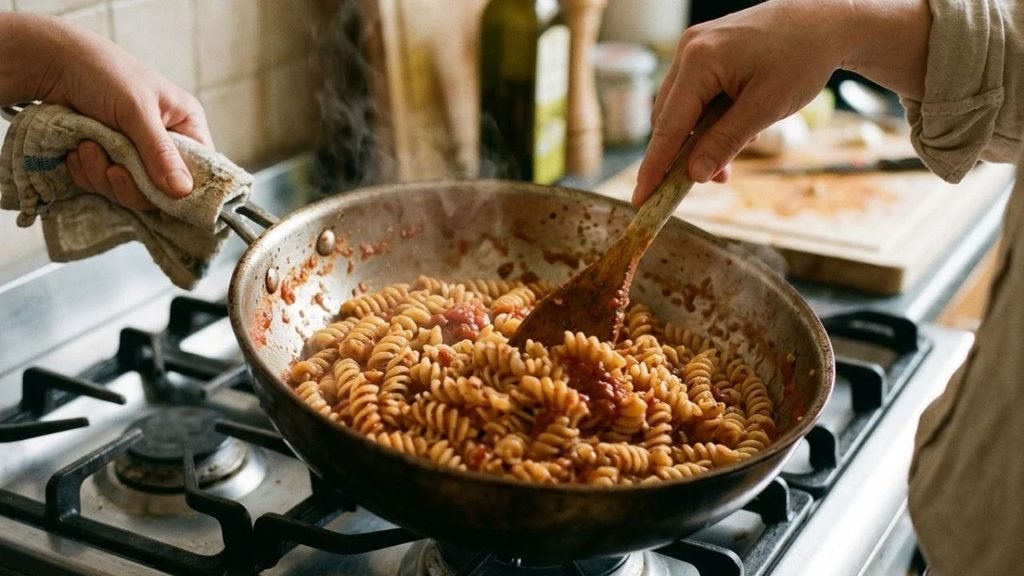
For most warm sauces, toss the drained rotini with the sauce briefly before serving. This gives the pasta and sauce a chance to combine rather than leaving the sauce sitting on top.
Pesto is an exception worth treating differently: mixing it off the heat helps preserve its fresh herbal character.
Correct the Flavor Before Adding More Ingredients
If a sauce tastes flat, adding more cheese is not always the answer. A tomato sauce may need a little more salt, a creamy sauce may benefit from black pepper or lemon, and a mushroom sauce may need better browning rather than additional cream.
Make one small adjustment at a time, tasting as you go.
FAQ’s
1. Which sauce works best with rotini?
Marinara is a dependable starting point because it offers balanced flavor and works with vegetables, meat, and cheese. Pesto, Alfredo, and arrabbiata are equally useful when you want a different flavor profile.
2. Can rotini be used with Alfredo sauce?
Yes. Its twisted shape holds creamy sauce well. Keep the Alfredo fluid enough to coat the pasta without forming a thick layer that overwhelms it.
3. What sauce works best for cold rotini pasta salad?
Pesto and lighter lemon-based dressings are good options. For a cold pasta salad, consider how the sauce tastes after chilling, since refrigeration can make some fats firm up and mute certain flavors.
4. How can I stop sauce from sliding off the rotini?
Toss the pasta with the sauce in a pan and add small amounts of starchy pasta water when needed. Avoid serving a sauce that is excessively watery.
5. Which rotini sauce is best without meat?
Marinara, basil pesto, arrabbiata, mushroom sauce, and lemon garlic Parmesan can all work well without meat. Check the cheese used in pesto or Parmesan-based sauces if you need a strictly vegetarian preparation.
A Better Bowl Starts With the Right Match
Rotini does not need an elaborate sauce to make a good meal. Its spirals provide enough texture to work with everything from bright tomato marinara to creamy mushroom sauce, while its compact shape makes it suitable for both warm dinners and cold pasta salads.
The most reliable approach is to think about balance: the richness of the sauce, its consistency, the intensity of its flavor, and the ingredients accompanying it. Once those elements work together, even a familiar bowl of pasta can feel noticeably better without becoming more complicated.