Hogget is the name generally used for sheep older than lamb but not yet considered mature mutton. In everyday British usage, it usually refers to sheep around one to two years old, although the definition can vary between countries. It is sometimes called hogget meat, young mutton, or older lamb. What sets it apart is its stage of maturity.
The problem is that many buyers cannot tell what sets hogget apart from lamb or mutton, or what they should look for when buying it. This guide clears that up.
The Name Tells You More Than the Display Case
One reason hogget can feel unfamiliar is that lamb dominates the language of sheepmeat. It is the word most shoppers recognize, while mutton tends to appear less often in mainstream meat displays. Hogget falls between those two categories, but the boundaries are not identical everywhere. Age is commonly used to describe it, yet some classification systems use physical signs of maturity rather than relying on an exact birthday.
That matters because two sellers can use the word slightly differently while still referring to meat from a sheep that has moved beyond the youngest stage.
So if the label says hogget, don’t assume the word alone tells you everything. It tells you the animal is more mature than ordinary lamb, but the butcher, producer or seller can tell you more about the particular meat.
Seven Details Worth Knowing Before You Buy
1. Hogget is not simply “old lamb”
Calling hogget old lamb misses the reason the category exists. As sheep mature, the characteristics of the meat change. The flavour generally becomes more pronounced, while the texture and fat can also develop differently from those found in very young lamb.
That is why hogget has its own identity. It isn’t merely lamb that has been left too long. It is a different stage of the animal’s development, and that maturity is part of what buyers are paying attention to.
2. The age is important, but the exact number isn’t universal
You may encounter different age descriptions depending on where the meat comes from. In British usage, hogget is commonly associated with sheep in their second year. Elsewhere, the classification can be based on the animal’s teeth or other physical signs of maturity.
This is worth remembering when reading articles or labels from different countries. A definition that sounds precise in one market may not translate perfectly into another.
For a buyer, the useful question is less “What exact birthday makes it hogget?” and more “How does this seller define the category?”
3. Its flavour usually has more character than lamb
The biggest difference you are likely to notice is flavour. Young lamb is often valued for its relatively mild, delicate taste. Hogget has had more time to develop, so its flavour can be deeper and more recognizably sheep-like.
That doesn’t automatically mean strong, harsh or unpleasant. The character can be quite subtle, particularly when compared with mature mutton.
This is one reason people who enjoy sheepmeat sometimes look beyond lamb. Hogget offers more flavour without necessarily moving all the way into the stronger profile associated with older mutton.
4. Colour and fat can look different
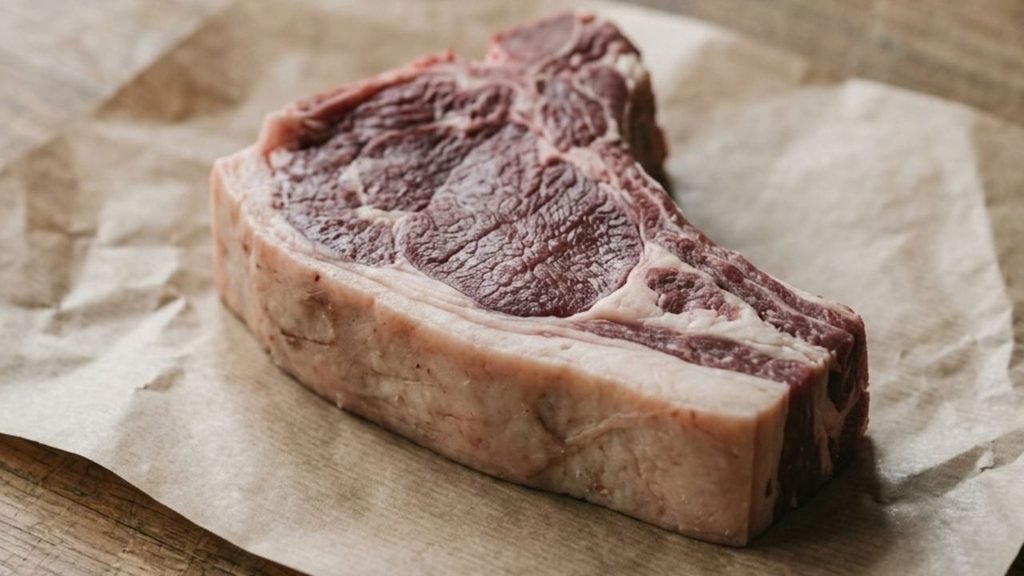
A common mistake is judging hogget against the visual standard people have developed for lamb. Because the animal is more mature, the meat may look somewhat deeper in colour, while the fat can also appear different. That isn’t automatically a sign that the meat is past its best.
Instead of expecting hogget to resemble pale young lamb, look at the overall condition of the meat. It should appear fresh and properly handled, with fat that doesn’t look excessively dry, discoloured or deteriorated.
Appearance is useful, but it shouldn’t be the only thing you use to judge quality.
5. The cut still matters
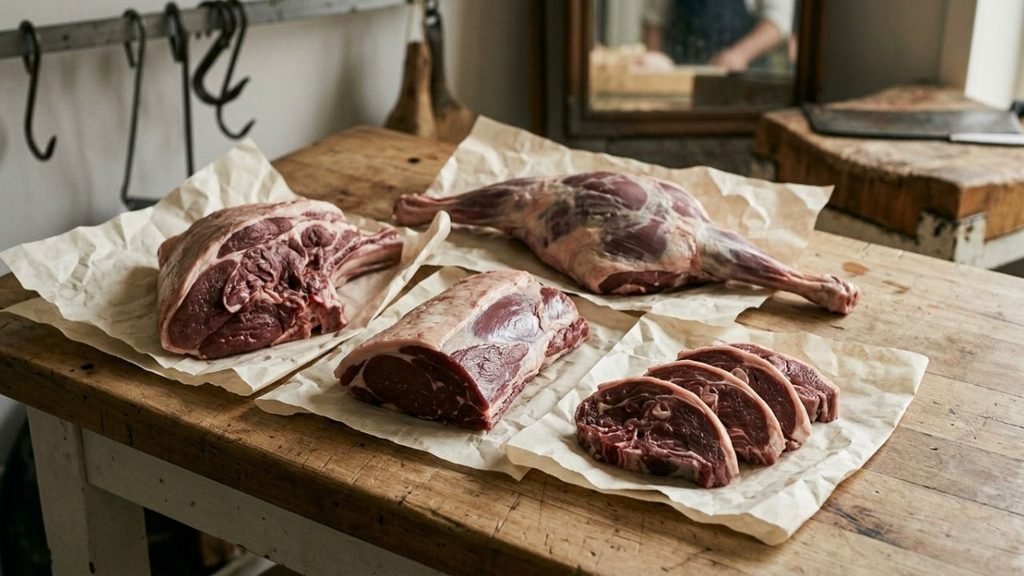
“Hogget” describes the animal, not the individual piece of meat. That distinction is easy to miss. A shoulder, leg, loin or neck comes from the same animal category but can have completely different characteristics because different muscles do different amounts of work.
This means you should not decide whether a hogget is “tender” or “tough” as a whole. Those descriptions can become misleading when they ignore the cut.
If you’re buying from a butcher, ask which part of the animal you’re looking at and what makes that cut worth choosing. A good answer tells you more than the word hogget on the label.
6. Don’t treat stronger flavour as a defect
People accustomed to very mild lamb sometimes interpret hogget’s fuller flavour as evidence that something is wrong with it. That isn’t necessarily the case. Sheepmeat changes as the animal matures, and a more developed flavour is one of the characteristics that separates hogget from younger lamb.
The key difference is between maturity and deterioration. Mature flavour can be desirable, while sourness, odours or spoilage signal problems.
Learning that difference makes the category much less intimidating.
7. Ask what the butcher means by “hogget”
This is perhaps the most useful habit for a buyer. If you see hogget on a counter and aren’t familiar with the seller’s terminology, simply ask how they classify it. You can also ask approximately how mature the animal was and whether the meat is locally produced or sourced elsewhere.
There is nothing awkward about asking. In fact, the question can reveal whether the person selling the meat actually knows the product.
A label gives you a category. A conversation can give you context.
A Better Way to Read the Label
The word “hogget” should be treated as a starting point rather than a complete quality guarantee. A sensible buyer considers several pieces of information together: the maturity of the animal, the particular cut, the appearance of the meat, the condition of the fat, where it came from and how confidently the seller can explain it.
This prevents one of the easiest mistakes in meat buying: assuming that an attractive-sounding category automatically means better meat.
Hogget isn’t inherently superior to lamb or mutton. It simply occupies a different point on the spectrum.
The Lamb–Hogget–Mutton Difference, Without the Confusion
The easiest mental picture is a progression. Lamb comes from younger sheep and is generally associated with a milder flavour. Hogget sits in the middle, with more maturity and a more developed character. Mutton refers to older sheep and generally has the strongest, most mature profile of the three.
The boundaries are not perfectly identical across every country or classification system, so these terms should be understood as practical categories rather than universal measurements.
That small qualification is important. It explains why you may find slightly different definitions when comparing butchers, countries or food publications.
Common Buying Mistakes
The first mistake is assuming hogget is just a marketing word. It actually tells you something meaningful about the animal’s maturity. The second is assuming that older automatically means inferior. Age changes meat, but it does not provide a simple quality ranking. It is also worth separating normal changes in meat colour from genuine signs of spoilage the USDA notes that colour change alone is not enough to establish that meat has spoiled.
The third mistake is judging all hogget by one cut. One piece may show that cut’s qualities, but it cannot represent hogget as a whole.
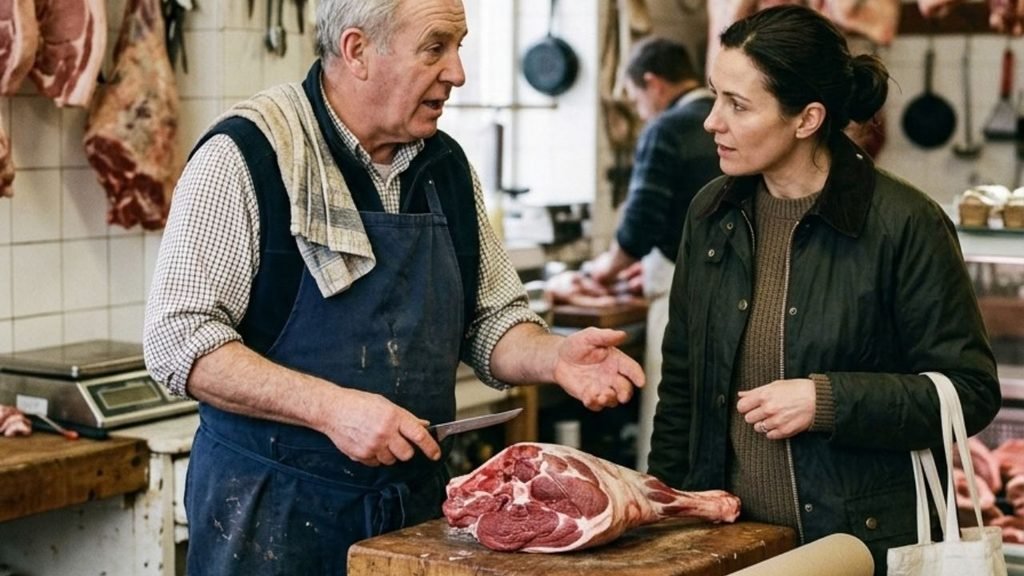
And the fourth is being afraid to ask questions. If the label is unfamiliar, the person behind the counter is often your best source of information.
FAQ’s
1. Is hogget the same as mutton?
No. Hogget generally refers to sheep that are more mature than lamb but younger than what is classified as mature mutton.
2. Is hogget stronger than lamb?
Generally, yes. Its flavour tends to be more developed because the animal has matured further.
3. Why is hogget less familiar than lamb?
Lamb has become the dominant everyday term for sheepmeat in many markets, while hogget occupies a narrower category and is less consistently labelled.
4. Does every country define hogget the same way?
No. Definitions and classification systems vary, which is why the seller’s terminology and local standards can matter.
5. What should I ask a butcher when buying a hogget?
Ask how they define the term, how mature the animal was, what cut you are looking at and where the meat came from. Those answers give you a much clearer picture than the word “hogget” alone.
What Hogget Really Adds to the Picture
Hogget is interesting precisely because it doesn’t fit neatly into the two categories most people already know. It shows that sheepmeat isn’t simply a choice between mild lamb and strongly flavoured mutton. There is a middle stage with its own characteristics, and once you understand that, the name on the label becomes much more useful.
For buyers, the real lesson is simple: don’t judge hogget by whether it looks or sounds like lamb. Look at it as its own category, pay attention to maturity and cut, and ask the seller enough questions to understand what is actually being offered.
Sometimes knowing the name of something is only the beginning. Knowing what the name is telling you is the part that makes you a more informed buyer.