The Tokyo Tea is a bright green cocktail that can be misleading because it contains no brewed tea and isn’t a traditional Japanese drink. Made with Midori, vodka, gin, rum, tequila, orange liqueur and citrus, it is also known as Tokyo Iced Tea.
The Tokyo Tea can easily turn out too sweet, too strong, or simply unbalanced when the proportions are off. This guide shows you how to get the flavor right without overcomplicating the recipe.
Timing at a glance
| Stage | Time |
| Prep | 5 minutes |
| Mixing | 2 minutes |
| Total | About 7 minutes |
These times are only a guide. Your actual prep and mixing time depends on how quickly you work, how much you prepare at once, and whether your ingredients, ice and glassware are already ready to use.
What goes into a Tokyo Tea
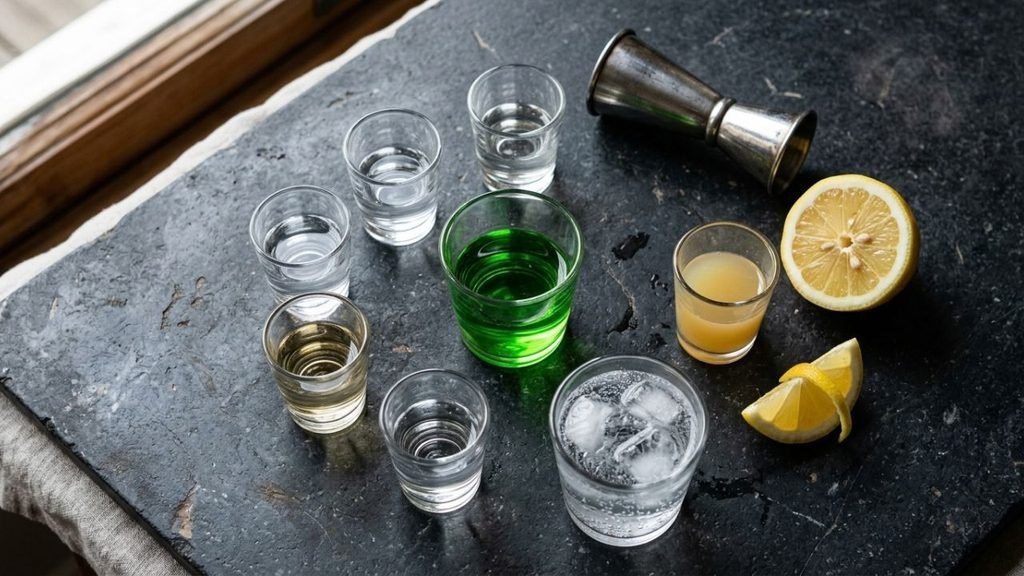
- ½ oz vodka
- ½ oz gin
- ½ oz white rum
- ½ oz blanco tequila
- ½ oz triple sec or Cointreau
- 1 oz Midori melon liqueur
- ½ oz fresh lemon juice
- ½ oz simple syrup
- A small splash of soda water
- Ice
- Lemon wheel or cherry, for garnish if desired
The small amounts of the individual spirits are deliberate. Tokyo Tea contains several different spirits, but the finished drink should not taste like five separate drinks competing in one glass.
Midori is the main flavor marker. The orange liqueur adds another layer of citrus and sweetness, while the lemon juice keeps that sweetness from becoming too heavy. Simple syrup rounds everything out, and soda gives the finished cocktail some lift.
If your Midori or orange liqueur is particularly sweet, you may find that the stated amount of simple syrup is more than you need. Taste and adjust rather than automatically adding more.
Easy swaps when something is missing
| Ingredient | Possible replacement | What changes |
| Midori | Another melon liqueur | The color and melon flavor may be less intense |
| Cointreau | Triple sec | Usually a simpler orange flavor |
| Fresh lemon juice | Fresh lime juice | Makes the drink sharper and more pronounced |
| Simple syrup | Fine sugar syrup | Works similarly when fully dissolved |
| Soda water | Lemon-lime soda | Makes the cocktail sweeter and more citrus-forward |
The replacements are not exact copies of the original ingredients, so the final drink can taste different. If you use a sweeter substitute, reduce the added syrup rather than trying to balance sweetness later with more soda.
Why Midori does most of the talking
Midori is what gives Tokyo Tea its instantly recognizable look and flavor. Its vivid green color catches the eye, while its sweet melon taste gives the cocktail the fruity character that sets it apart.
The other spirits create a broader alcoholic base, but they are not supposed to compete with the melon individually. Lemon juice gives that sweetness somewhere to go, while soda adds a little lift.
This is where the drink can easily go wrong. Adding extra Midori because you want a brighter green cocktail may seem harmless, but the additional sweetness can quickly dominate everything else.
The same applies to the syrup. Midori and orange liqueur already bring sweetness, so simple syrup should support the drink rather than become another major flavor.
A useful way to think about the recipe is that each ingredient has a job. The spirits provide the base, Midori gives the drink its personality, citrus brings contrast, and carbonation keeps the finished cocktail from feeling too dense.
Directions
Start by filling a tall glass with fresh ice and having the ingredients ready to measure. Keeping everything cold from the beginning makes the final drink easier to balance.
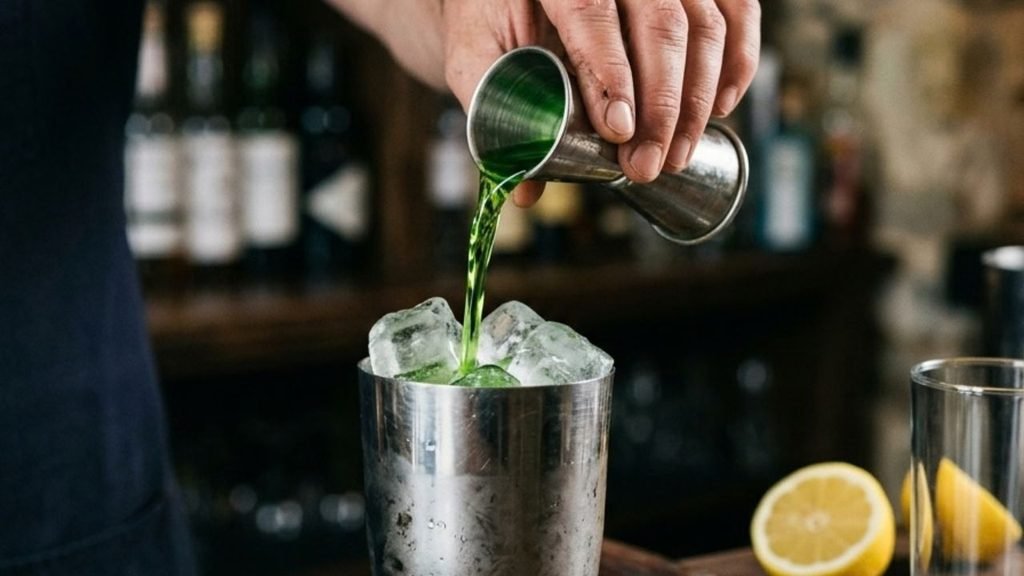
Add the vodka, gin, rum, tequila, orange liqueur, Midori, lemon juice and simple syrup to a shaker filled with ice. Shake briefly until chilled. Strain into the prepared glass, add a small splash of soda water and stir gently.
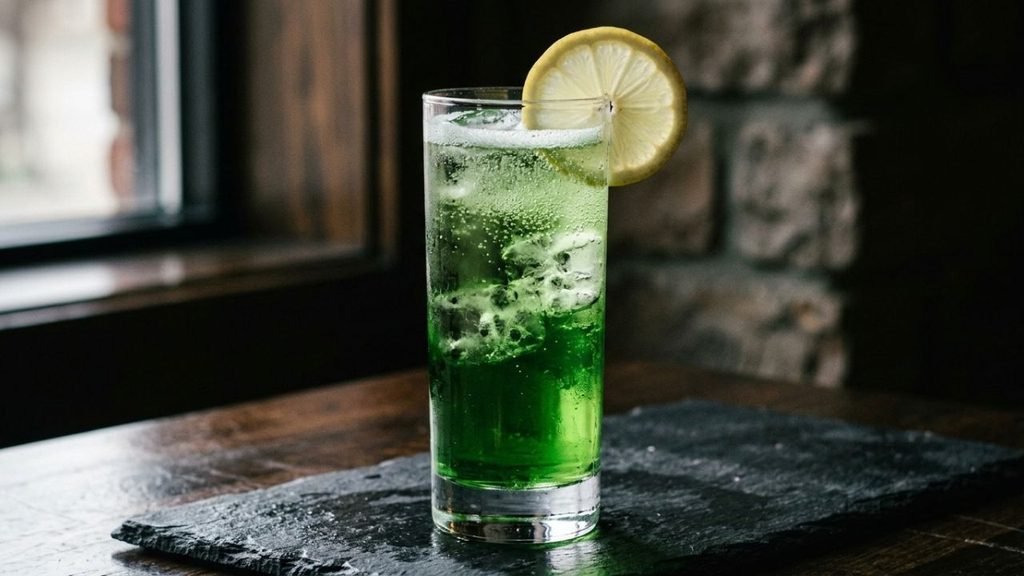
Finish with a lemon wheel or cherry if you want a simple garnish.
You do not need an elaborate garnish here. The green color already gives the cocktail a strong visual identity, and a small citrus element is enough to make the drink look finished without distracting from it.
Getting the balance right in the glass
Tokyo Tea works best when it is served cold. The temperature and dilution from the ice soften the alcohol and help the melon and citrus come together.
Use enough ice to keep the drink chilled rather than depending on a large amount of soda to make it lighter. If the finished cocktail still feels too concentrated, add a little more soda after tasting.
If it tastes too sweet, more soda is not always the best answer. A small additional amount of lemon juice can do more to restore balance because it introduces acidity rather than simply diluting the existing sweetness.
On the other hand, if the drink tastes overly sharp, a little more sweetness may be useful. The important thing is to adjust one element at a time so you can tell what actually changed.
The mistakes that change the whole drink
Using too much Midori.
This is probably the easiest way to turn the cocktail from fruity to syrupy. Start with the stated amount before deciding that it needs more. The drink does not need additional Midori simply because you want a stronger green color.
Skipping the citrus.
The lemon juice is not there just for freshness. It provides acidity that offsets the sweetness from the Midori, orange liqueur and syrup. Without it, the drink can feel heavy very quickly.
Using very little ice.
A cocktail containing several spirits needs proper chilling and dilution. Too little ice can leave it tasting hot and concentrated even when the ingredient measurements are correct.
Pouring in too much soda.
Soda can lighten the cocktail, but too much can make the flavors feel thin. Add a modest splash first, then increase it if you prefer a longer drink.
Guessing the measurements.
Because several spirits are involved, small changes can have a noticeable effect. Measuring each ingredient makes the drink much easier to reproduce and adjust.
Adding extra syrup automatically.
Midori and orange liqueur already contribute sweetness. Taste the drink before deciding that it needs more.
Using bottled citrus when fresh is available. Fresh lemon juice generally gives the drink a cleaner acidity and brighter flavor. Bottled juice can work when necessary, but it may not give the same lift. If you’re preparing fresh juice at home, the FDA’s guidance on juice safety also explains why washing produce before cutting or squeezing it matters.
FAQ’s
1. Does Tokyo Tea contain actual tea?
No. The classic drink does not contain brewed tea. Its name refers to the Tokyo Tea or Tokyo Iced Tea style of cocktail rather than a tea ingredient.
2. Why is Tokyo Tea green?
The vivid green color mainly comes from Midori melon liqueur. Midori is also responsible for much of the drink’s recognizable melon flavor, so it affects both the appearance and the taste.
3. Is Tokyo Tea the same as Long Island Iced Tea?
No, although the two are closely related. Both use several base spirits in one cocktail, but Tokyo Tea introduces Midori, giving the drink its melon flavor and bright green appearance.
4. Can I make it less sweet?
Yes. Start by reducing or leaving out some of the simple syrup. You can also reduce the Midori, although that will make the melon character and green color less pronounced. If the drink is already mixed, a little fresh lemon juice can help bring the sweetness back into balance.
5. Can I make Tokyo Tea without a shaker?
Yes. Add the ingredients to a glass filled with ice and stir thoroughly. A shaker is useful for chilling and combining the ingredients quickly, but it is not essential for making the drink.
A drink that needs less decoration than precision
Tokyo Tea is a cocktail where appearance can easily become more important than balance. The electric green color is what catches the eye, but the better version is the one where the melon, citrus, spirits and dilution have enough room to work together.
Keep the Midori measured, give the lemon juice a real role, chill the drink properly and adjust only after tasting. The result should be sweet and fruity, but not so sweet that the other ingredients disappear.
That is what makes Tokyo Tea worth making at home. It looks striking in the glass, but getting a good balance is simple. Measure the ingredients carefully, keep the drink cold, and add sweetness only when it actually needs it.